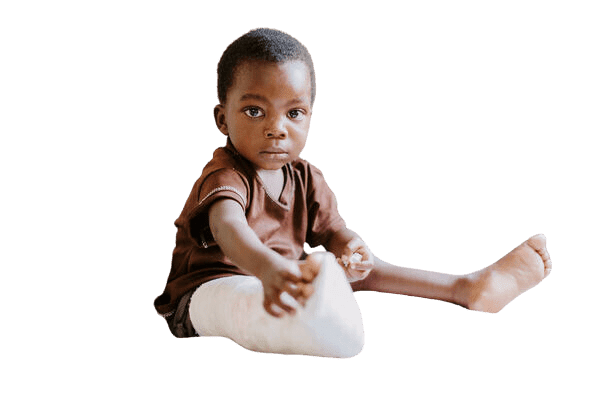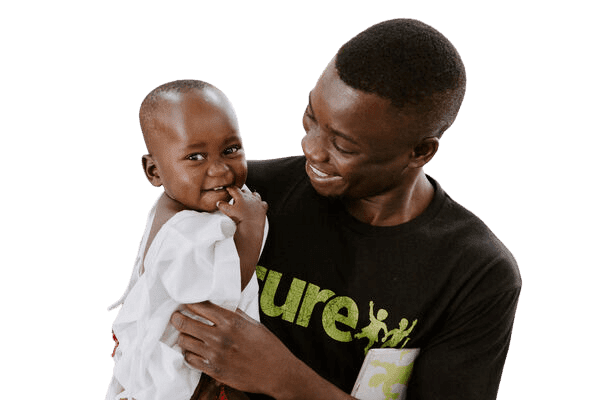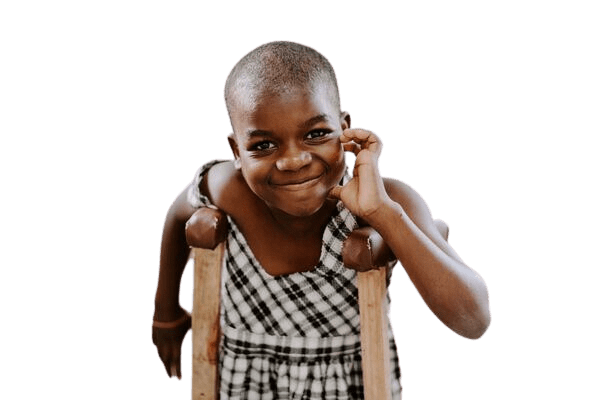
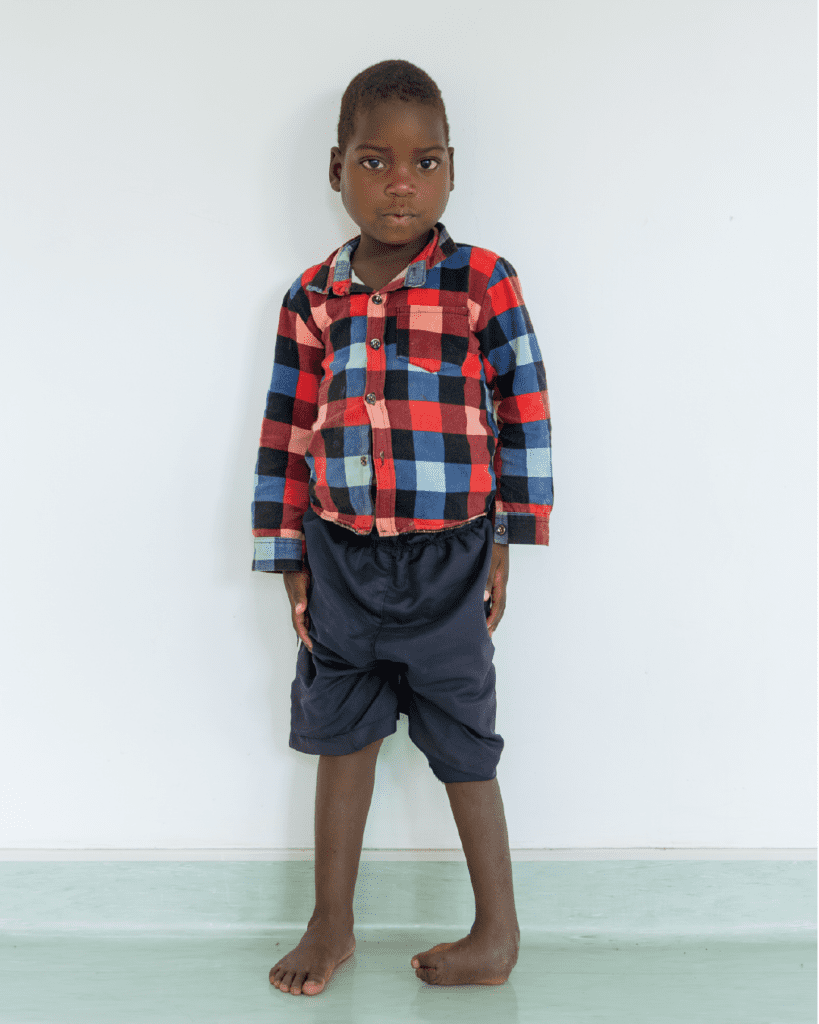
“He tries to move around like the other children, but I can see how much he struggles. He gets tired easily, even after walking short distances. Some days, his foot gets swollen from just walking,” explains the mother of four-year-old Rahim, a patient at Beit-CURE Children’s Hospital of Malawi (CURE Malawi), who was born with a foot deformity called clubfoot. Sadly, this is not unique to Rahim. It is a daily lived experience of millions of children around the world.
A Widespread Challenge with Life-Changing Consequences
According to the World Health Organisation, an estimated 1.3 billion people globally live with some form of disability, a majority of them in developing countries. In Malawi alone, a 2022 countrywide survey found that approximately 576,000 children live with musculoskeletal conditions. Of these, an estimated 20,000 children would benefit from corrective surgery to prevent a permanent, lifelong disability.
Yet access to such care remains limited. Despite Malawi being a signatory to the 2001 Abuja Declaration, which commits African countries to allocating 15% of their national budgets to the health sector, chronic underfunding persists. As a result, much of the health system is overstretched, prioritising emergency trauma and other prevalent medical conditions. Corrective surgeries for children with treatable disabilities are often left unattended.
This means thousands of children like Rahim, who could walk, run, and play normally, are instead growing up with treatable conditions like clubfoot, knock knees, bowed legs, limb length discrepancy, and cleft lips. These disabilities limit their participation in everyday childhood activities and often expose them to stigma and social exclusion from their peers.
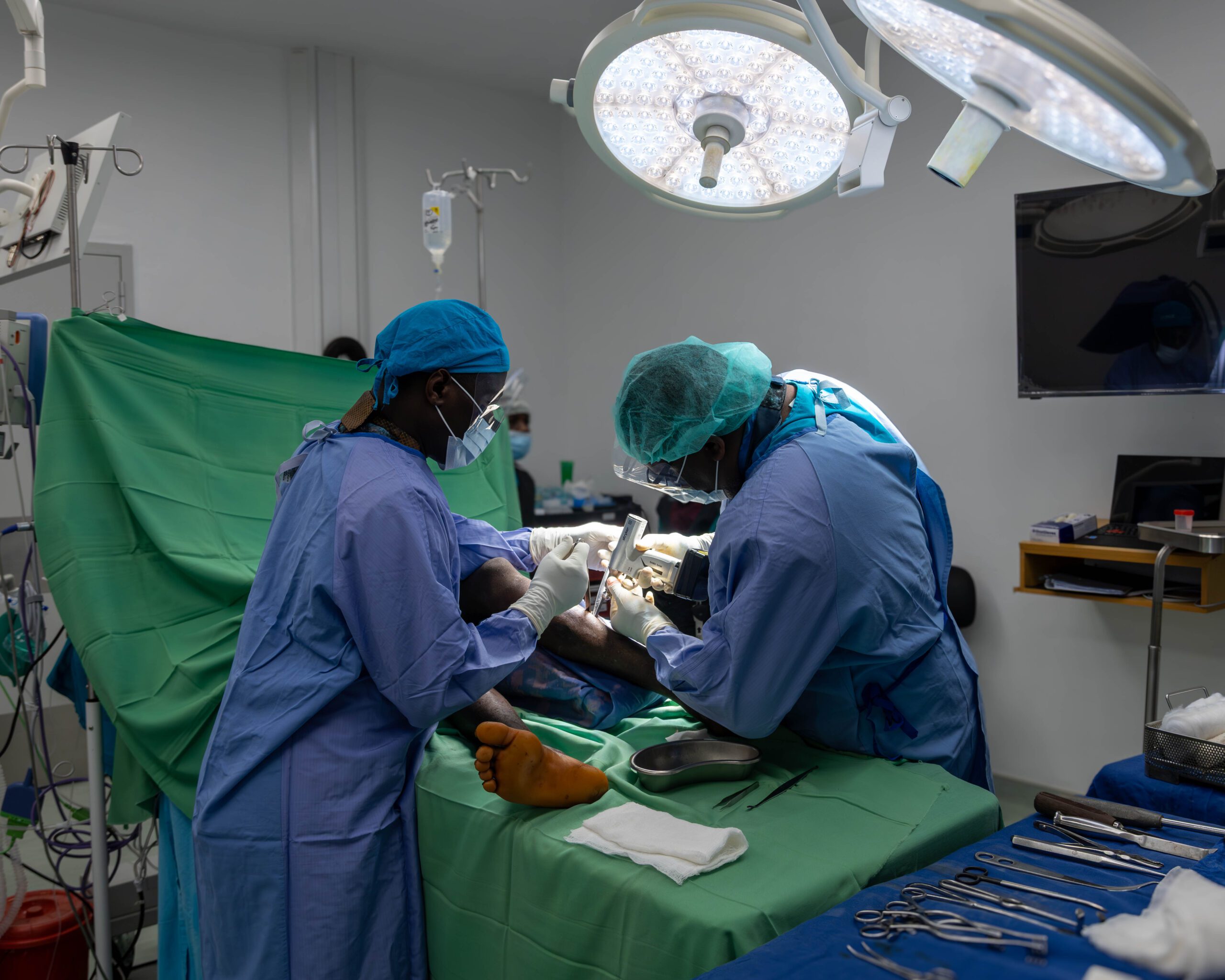
In response to this unmet need, CURE Malawi opened its doors in Blantyre in 2002. The hospital provides life-changing reconstructive and orthopaedic surgeries for children with treatable disabilities, fully sponsored by generous donors and offered at no cost to families.
Going Where There Is Need
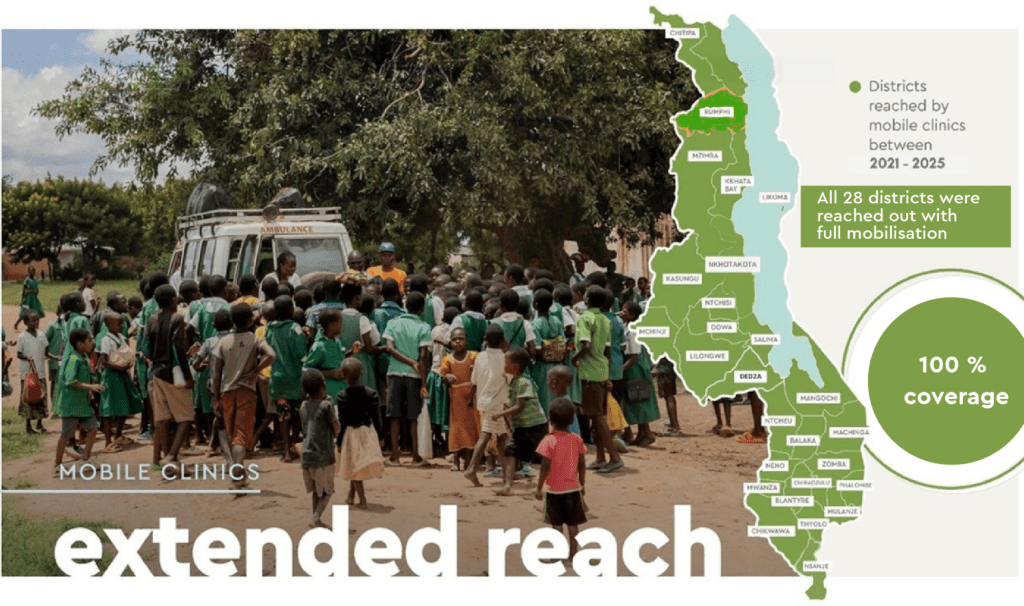
However, with the majority of Malawians living in rural areas, Blantyre can be both geographically and financially out of reach. In many cases, families are simply unaware that specialised care is available. To bridge this gap, CURE Malawi launched a nationwide patient mobilisation campaign in June 2021 to raise awareness, generate demand for services, and identify children in need of surgery.
Through these mobilisation efforts, CURE Malawi works closely with District Health Management Teams (DHMT), building partnerships at the management level and training healthcare workers from key departments such as orthopaedics, physiotherapy, and nursery services on the conditions we treat. We also collaborate with health centres under district hospitals to conduct community awareness campaigns and patient screening in their catchment areas. Health Promotion Officers and Health Surveillance Assistants play a vital role in raising awareness, identifying children, and following up with families to ensure referred patients reach Blantyre.
In addition, CURE Malawi leverages district pastors’ fraternal networks. Through our Spiritual Directorate, pastors are trained in the Theology of Disability and supported to reach children with disabilities and their families with both practical information and spiritual care.
“As of June 2025, we have conducted mobilisation efforts in all 28 districts of Malawi and identified 4,400 children in need of surgery, including those in hard-to-reach areas such as Likoma Island,” reported CURE Malawi’s Executive Director, Dr Rhoda Kriek, at the 2025 Annual Fundraising Dinner. Today, the majority of patients treated at CURE Malawi are reached through these mobilisation efforts.
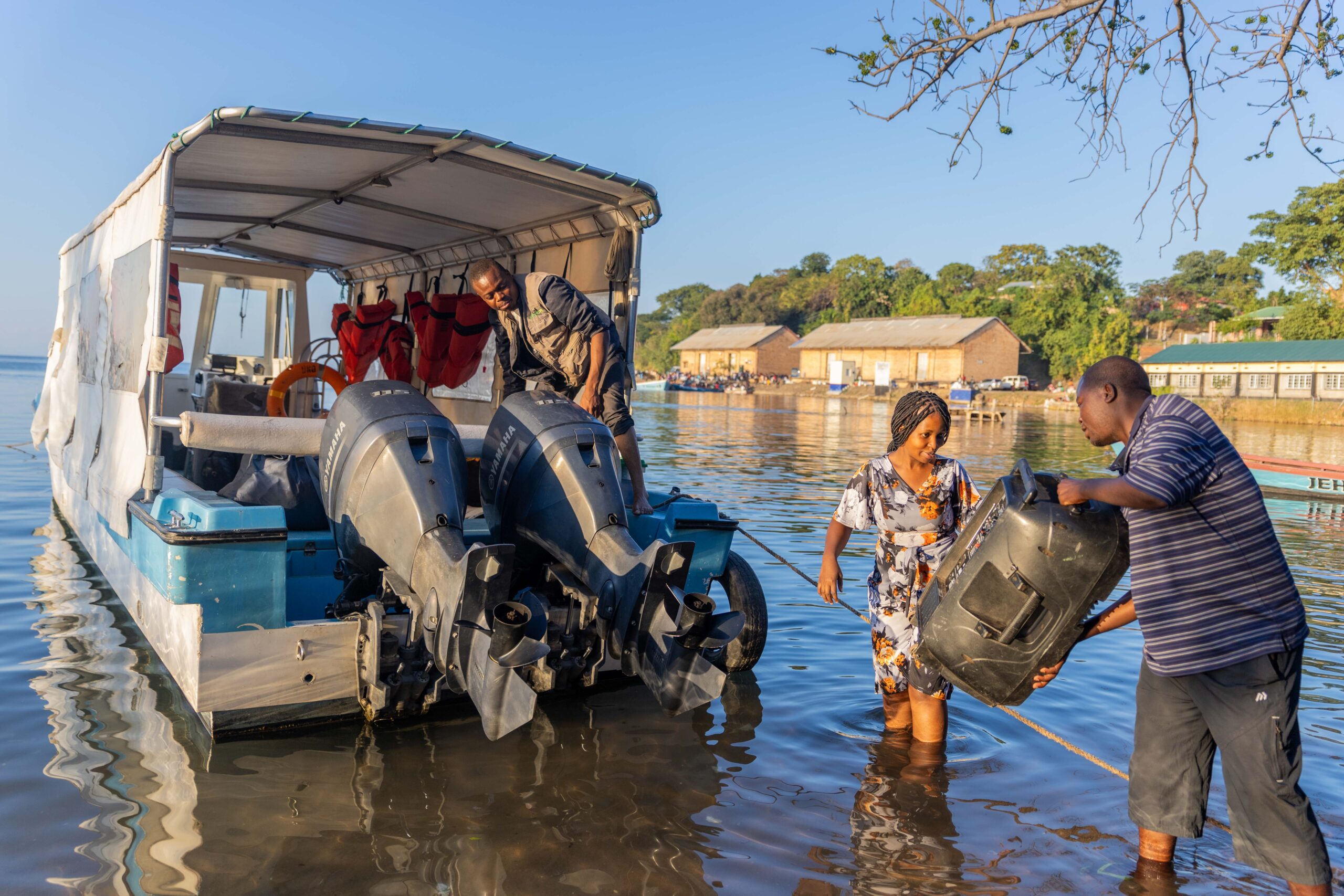
Significant challenges remain. Of the 4,400 children identified, only 41% reached the hospital, with transport costs and distance among the most significant barriers.
Removing Transport Barriers through CURE MAX
Addressing this gap is central to CURE MAX’s strategy, which comprises four strategic priorities designed to strengthen our mission and expand our reach across all the countries we serve. Maximum reach to the children and families we serve is the fourth priority in the strategy. A key component of this priority is the Patient Transport Support Program, which aims to increase patient turn-up from 42% to 75% by 2029 by deliberately removing transport barriers. This includes providing direct transport support, strengthening partnerships with District Councils to ferry patients, and collaborating with NGOs.
This approach is already taking shape. All patients identified during a December 2025 mobilisation in Mangochi District are being transported to Blantyre and back home after treatment. In addition, an existing partnership with World Vision International Malawi, formalised through a Memorandum of Understanding signed in July 2023, has strengthened collaboration to better reach vulnerable children. Our 2025 Annual Fundraising Dinner also brought together corporate partners, with funds raised dedicated to addressing the transport barriers patients face.
In our patient mobilisation efforts, patient transport program, and partnerships, we strive to make sure that more children can access care despite economic and distance barriers.
Make an Impact Today
Since 2002, CURE Malawi has performed more than 37,174 life-changing surgeries, including procedures for clubfoot, knock knees, bowed legs, and burn contractures. Without CURE Malawi, many children with treatable conditions would not have access to safe surgery. Your support helps close that gap, turning pain into stories of strength and hope. To make an impact today, support our work here.